Hot gas path inspection: the 12-week parts plan
The HGP itself is a two-week job. The other ten weeks are drawings, serial numbers, inspection findings and shipping — and that is where outages actually overrun.
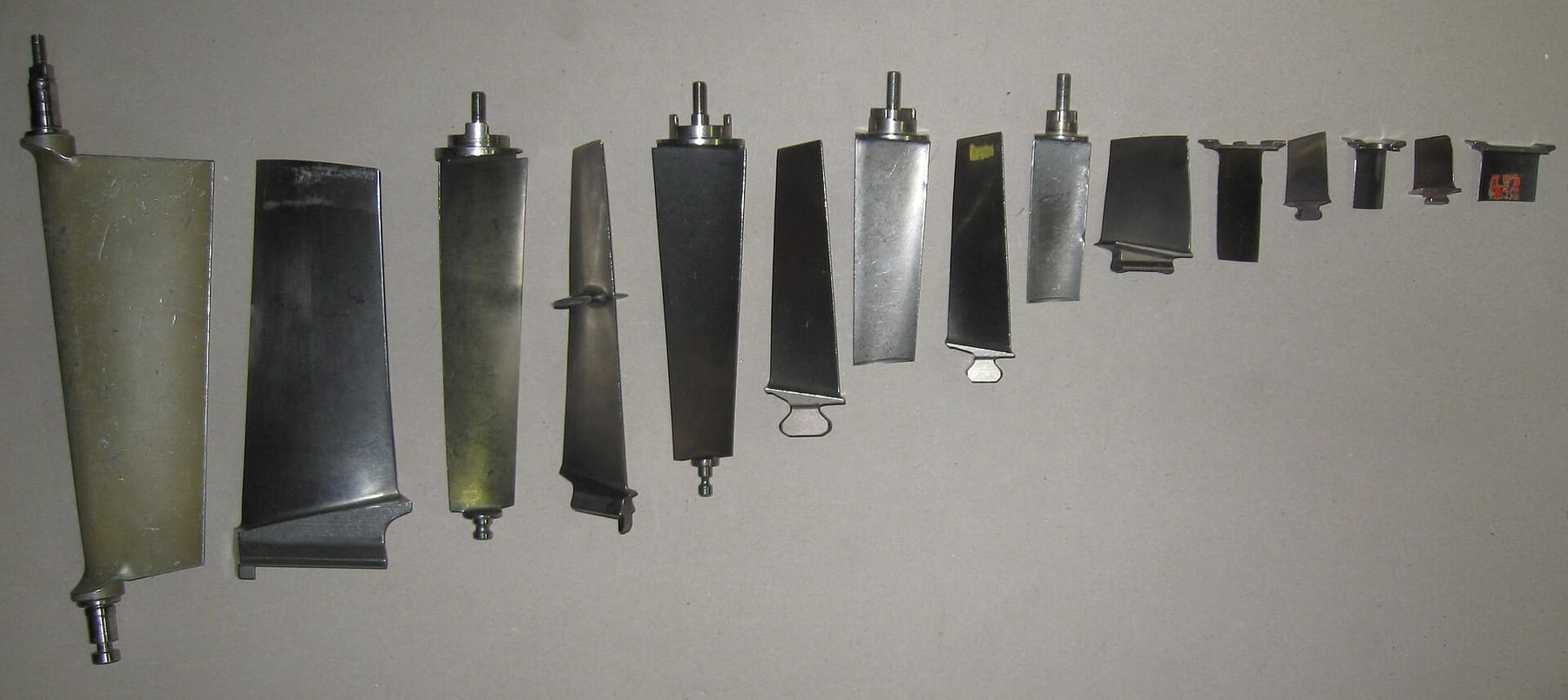
A hot gas path inspection is defined by the twelve-week window that surrounds it. The physical work — removing combustors, inspecting transition pieces, pulling stage 1 and 2 buckets, checking shrouds and seals — is well understood by any competent crew. What decides whether the unit returns on the contracted date is how the parts pipeline was organised before the first bolt moved.
Weeks −12 to −9: lock the configuration
Start with documentation, not with a shopping list. The rotor assembly drawing, the combustor can serial numbers and the last set of inspection reports together define what is actually installed. Frames get retrofit over a forty-year life; two otherwise identical units in the same plant often carry different bucket generations.
- Collect frame model, unit serial, and every bill of material for hot-section components
- Confirm each installed part number against the assembly drawing, not against a previous purchase order
- Ask for the repair-versus-replace limits in writing before you scope the parts
Weeks −9 to −6: scope and quote
This is the longest single phase because it is where engineering and procurement disagree. Repair limits decide how much of the bucket set can be re-used, refurbished, or replaced. Ask for a written disposition matrix: for each component, the limit, the inspected condition, and the resulting action.
The outage that goes wrong is the one where the crew opened the machine before anyone had confirmed what the spares list assumed.
Plant maintenance manager, refinery cogeneration
Weeks −6 to −2: order and expedite
| Item | Typical lead time | Order by |
|---|---|---|
| Stage 1 buckets, new | 16–28 weeks | previous outage |
| Stage 1 buckets, refurbished exchange | 6–10 weeks | −8 weeks |
| Transition pieces | 10–18 weeks | −10 weeks |
| Combustor liners and caps | 8–14 weeks | −9 weeks |
| Seals, gaskets, fasteners | 2–5 weeks | −4 weeks |
Anything in the 16-week-and-over band cannot be recovered by expediting. If stage 1 buckets are on the list and the inspection is eight weeks away, the honest answer is that this outage runs on refurbished exchange hardware and the new set lands for the next one.
Weeks −2 to 0: stage the site
- Kit the parts by machine location, not by supplier — one crate per combustor position
- Attach the disposition matrix to the crate lid so the crew is not re-deciding anything
- Confirm lifting gear, cradle positions and rotor stand clearances against the actual bay
- Brief the NDE subcontractor for the final blade-root and wheel-space inspections
The return-to-service week
Budget three days after the machine closes: alignment checks, boroscope verification of clearance, and the first start's vibration and exhaust spread data. That last dataset becomes the clean baseline for the next interval's heat-rate trending, so capture it properly rather than photographing the screen.
- HGP
- Outage
- Combustion